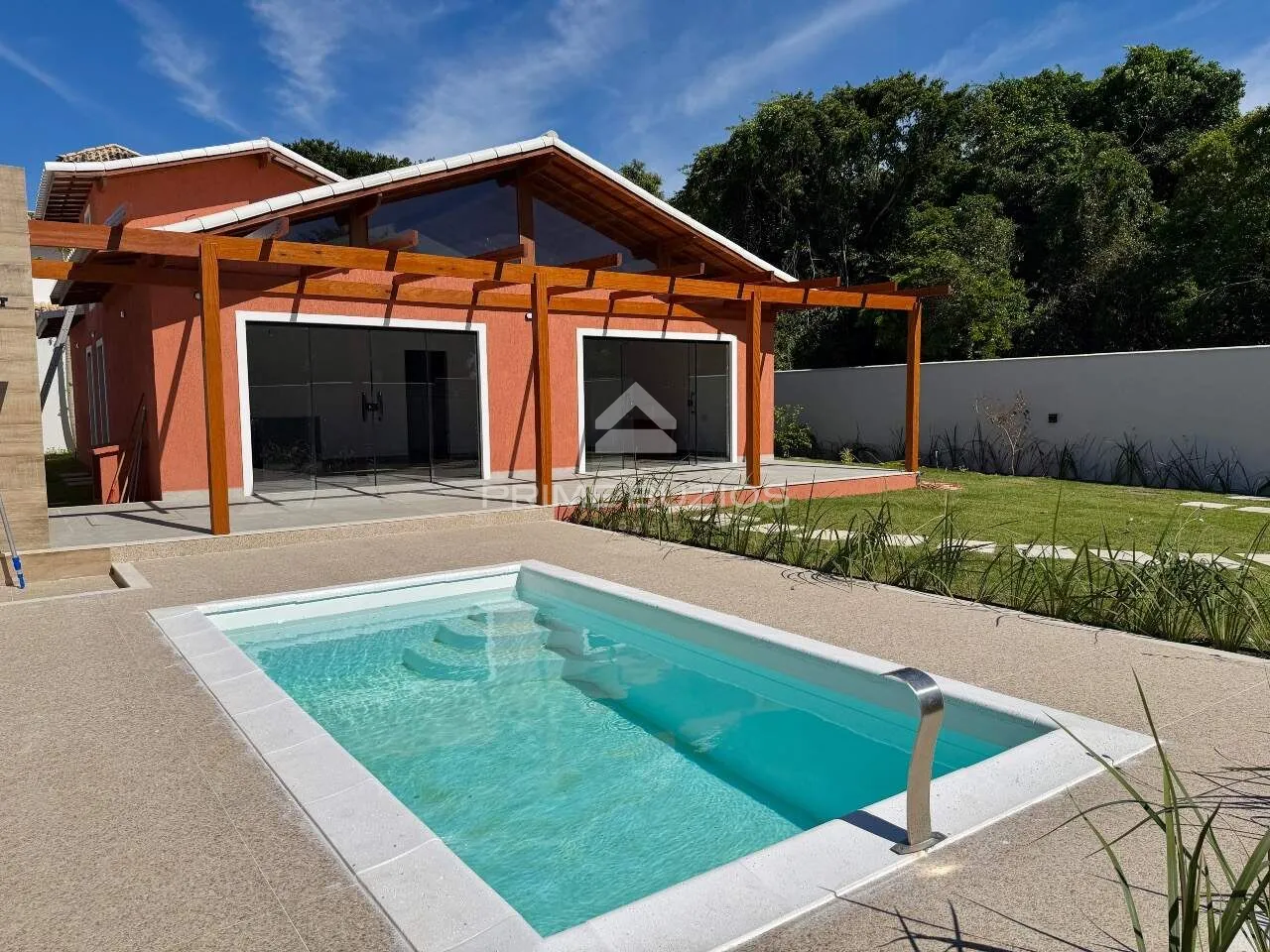
Búzios is one of Brazil’s most sought-after coastal destinations — a compact peninsula on the northern coast of Rio de Janeiro state, roughly 170 km from the city of Rio. This guide gathers verifiable information to plan your 2026 trip: geography, access, neighbourhoods, beaches, dining, budget, and practical tips. Check the forecast below before booking outdoor tours.
Why visit Búzios in 2026
The town blends calm coves, open surf coast, nightlife on Rua das Pedras, and a wide range of guesthouses, restaurants, and tour operators. According to IBGE (Brazil’s statistics institute), the municipality of Armação dos Búzios covers about 69 km² within the Cabo Frio immediate region. Tourism is the main economic activity, with strong demand from southeastern Brazil and growing international visitors.
Unlike isolated resorts, Búzios works as a city of neighbourhoods — each with its own pace, price level, and beach style. First-time visitors are often surprised by how much fits into a peninsula you can drive across in minutes, and how much your choice of area shapes the trip.
History and identity
Before the tourism boom, Búzios was a fishing village tied to Armação dos Búzios. The shift accelerated in the 1960s when French actress Brigitte Bardot visited and helped project the destination internationally. The Orla Bardot waterfront in the centre honours that story with a statue and seaside promenade.
Today the town balances fishing tradition — still visible in Manguinhos and fresh fish sales — with fine dining, boutiques, and year-round events. The Búzios city government publishes official calendars and infrastructure notices worth checking before peak dates.
Best time to go
The climate is tropical: hot, humid summers (December–March) and milder winters (June–August) when a light jacket helps at night. Long holidays, New Year’s Eve, and Carnival draw the biggest crowds — book accommodation early.
For calmer seas, east- and north-facing coves are usually more sheltered on windy days. For surf, Geribá and Brava are the references. Month-by-month detail: best time to visit Búzios.
Getting to Búzios
The main road access is BR-101, then RJ-106 toward the peninsula. By car from Rio de Janeiro expect roughly two to three hours depending on traffic. Parking at guesthouses and private lots in the centre is common; street space near Orla Bardot is tight in high season.
Coach travellers can use scheduled services from Viação 1001 and other carriers linking Rio (Novo Rio bus terminal) and the Lakes Region to Búzios. Check current timetables on the operator website before you travel — frequency varies by season. Locally, taxis, ride-hailing apps, and vans cover neighbourhood hops.
Step-by-step options and typical costs: how to get to Búzios.
Neighbourhoods and where to stay
Your area affects price, beach distance, and nightlife access. The centre (Rua das Pedras, Orla Bardot, Ossos) is the most walkable and expensive. João Fernandes suits couples with a calm cove and seaside dining. Manguinhos and Rasa at the peninsula entrance offer better value for families. Geribá is surf, hostels, and a relaxed scene. Ferradura and Ferradurinha favour sheltered sea and greener guesthouses.
Detailed lodging by profile: where to stay in Búzios. Cruise passengers with limited time ashore should also read the cruise passenger guide — ship schedules vary by line and must be confirmed onboard, not from local tour marketing.
Neighbourhood comparison for trip planning
| Area | Vibe | Typical sea | Budget | Best for |
|---|---|---|---|---|
| Centre / Ossos | Lively, dining | Mixed coves | High | Walkable stays and nightlife |
| João Fernandes | Charming residential | Calm | Mid-high | Couples and easy snorkelling |
| Geribá | Surf and beach clubs | Open, waves | Mid | Surfers and younger crowds |
| Manguinhos / Rasa | City entrance | Calm to moderate | Value | Families and longer stays |
| Ferradura | Upscale residential | Very calm | High | Peace and quiet |
Beaches you should not miss
The peninsula packs dozens of beaches — from Armação beside the cruise pier to remoter Tucuns and Caravelas. Curated overview: best beaches in Búzios.
João Fernandes Beach balances clear water, beach kiosks, and easy access. Ferradura Beach is a near-closed horseshoe bay, great for kids. Geribá Beach offers almost two kilometres of sand and consistent waves. Forno Beach rewards a short hike with views and wilder water. Rasa Beach mixes calm water and family-friendly amenities near the entrance.
Things to do: tours and activities
Beyond the sand, Búzios is known for boat trips, diving, dune buggy rides, stand-up paddle, and short viewpoint hikes. A schooner tour hits several coves in half a day with swim stops. A buggy tour covers lookouts above Geribá and the east coast with a local driver.
Try-a-dive operators in João Fernandes welcome beginners — see diving in João Fernandes. Trails such as Forno need proper shoes, water, and sun protection.
Full activity lists: things to do in Búzios and activities in Búzios.
Food and where to eat
Local cuisine highlights seafood: lobster, shrimp, grilled fish, and stews. Rua das Pedras restaurants often need weekend reservations. Guesthouses frequently serve generous breakfasts with tropical fruit and fresh juices.
Restaurant routes by budget: restaurants in Búzios. Beach kiosks in João Fernandes and Geribá are perfect for casual lunches — cards are common, but cash remains useful at smaller stalls.
Budget and typical costs
Búzios spans budgets but runs pricier than neighbouring Lakes Region towns. In 2026, popular guesthouses often start around R$ 250–400 off-peak; centre and João Fernandes commonly run R$ 500–900; luxury tops R$ 1,000. Meals: kiosk R$ 60–100 per person; sit-down R$ 120–250. Schooner prices vary by season and duration — confirm with operators when booking.
A rental car is optional: taxis and apps work between neighbourhoods. If you plan several days at remote beaches, a car adds convenience. Factor fuel and parking into your plan.
Events and high season
New Year’s Eve and Carnival fill the town; waterfront shows and fireworks are traditional. Long public holidays also spike occupancy. Follow events in Búzios and official city channels — line-ups change every year.
July school holidays bring visitors from São Paulo and Minas; weekday beaches are quieter, and the sea feels cool to northeastern visitors but fine for southeastern Brazilians.
Suggested 3-day itinerary
Day 1: Arrival, check-in, evening walk on Orla Bardot and Rua das Pedras. Book dinner.
Day 2: Morning schooner or João Fernandes beach; afternoon Ferradura; sunset in the centre.
Day 3: Geribá or Forno trail depending on weather; shopping in Búzios before departure.
Slow the pace for children or seniors — avoid stacking long transfers on one day.
Practical safety and etiquette
Respect swim flags and currents; open beaches need extra care with kids. Use SPF 50+ sunscreen and reapply every two hours in summer. Stay on marked trails. Cruise passengers should keep embarkation margin — all-aboard times are set by the ship operator, not local guides.
Follow Ministry of Health guidance valid at travel time. Pharmacies in the centre cover basics; note emergency clinic addresses from official municipal sources.
Búzios with children and accessibility
Families often choose Ferradura, Rasa, Manguinhos, and João Fernandes for calmer water. Strollers work in the paved centre; Forno trail is not suitable. Ask guesthouses about cribs and shallow pools when booking.
Accessibility varies: Orla Bardot has paved stretches, but many beaches use stairs or soft sand. Ask about adapted rooms and step-free routes.
Sustainability and local community
Bring a reusable bottle, skip single-use plastic on the beach, and choose operators that respect passenger limits and marine life. Buy crafts at local fairs when possible. The town’s water and power systems serve a floating population — conserve resources as you would at home.
Frequently asked questions
How many days do you need in Búzios?
Three to four days allow beaches, one boat tour, and centre nightlife without rushing. Cruise calls need a tight plan — pick one main beach and a centre block.
Is Búzios expensive vs Cabo Frio or Arraial?
Generally yes: premium lodging and dining raise costs. Manguinhos and Rasa help balance the budget.
Do you need a car?
Not necessarily. Taxis and apps work well; a car helps for remote beaches and heavy luggage.
Which beach has the calmest sea?
João Fernandes, Ferradura, and Rasa are usually most sheltered — check the forecast at the top of this guide.
How do you get from Rio without a car?
Coach services including Viação 1001 from Novo Rio — verify timetables on the operator site before travelling.
Are roadworks affecting access?
Check city and traffic authorities before you travel; RJ-106 works can happen in season.
Is it safe to walk at night in the centre?
Rua das Pedras is busy in high season; use normal urban precautions and avoid empty side streets.
Currency and payments?
Brazilian real (BRL). Cards are widely accepted; smaller kiosks may prefer PIX or cash.
Plan your trip with local help
Share dates, group profile, and budget — we suggest neighbourhood, beaches, and tours based on weather and season.